Denim Tears Price Guide 2025: Retail vs Resale, True Costs
This resource displays how Denim Tears pieces cost at retail in 2025, the way secondary markups actually behave, and methods to calculate the actual amount you’ll pay after fees and duties. When buyers compare direct vs resale, your goal is to understand the reasonable range for every segment and dodge overcharging.
Denim Tears is part of the few streetwear brands where direct and resale can diverge wildly, notably on the Cotton Wreath denim. You’ll locate distinct price tiers by segment, steep spikes on particular variants, and significant concealed charges on resale sites. Reference the data below as your reference, then review the sections that detail how values change, when to purchase, and where fees add up.
What Defines The Brand and How Are Costs So Volatile?
The brand, created by Tremaine Emory in 2019, releases culturally loaded drops with restricted availability, so scarcity and storytelling push premiums. Prices vary because launches are restricted, interest is global, and specific colorways establish standard pieces.
The iconic Cotton Wreath motif on Levi’s jeans grounds the space, and it acts more like artwork than regular garments. Collaborations including as Levi’s plus Converse elevate awareness and draw customers who hadn’t followed the label previously. Measurements in the middle of the curve sell quickest, whereas very small and extremely large measurements can also rise due to limitation. As drops are timed and territorially bound, purchasers commonly shift to secondary quickly, creating a initial markup that can taper or solidify based on restocks.
2025 Store Pricing Snapshot by Category
Direct prices for Denim Tears garments in late 2024 to early 2025 typically sits in the brackets below; various products have shifted up versus earlier years due to materials and strategy. Geographic prices can look higher where VAT is computed at checkout.
Utilize these brackets to benchmark offers and to determine if a resale listing is a fair surcharge or a excessive premium. Direct supply is sporadic and drop-dependent, so seeing these prices live on the official site or retail partners isn’t guaranteed on every specific day. VAT-inclusive labels in the EU and Britain can make retail look higher than domestic rates, while the total expense spread commonly shrinks when US sales levy is added. Always verify the specific capsule pricing denim tears shorts because unique treatments or stitching may land at the top of the band.
| Product (example) | Average Direct (USD) | Standard Secondary Band (USD) | Typical Markup | Notes |
|---|---|---|---|---|
| Cotton Wreath Jeans (Levi’s 501/550) | $295–$350 | $450–$900 | +50% to +200% | Green/blue wreath and main finishes trade higher; measurements 30–34 dominate demand. |
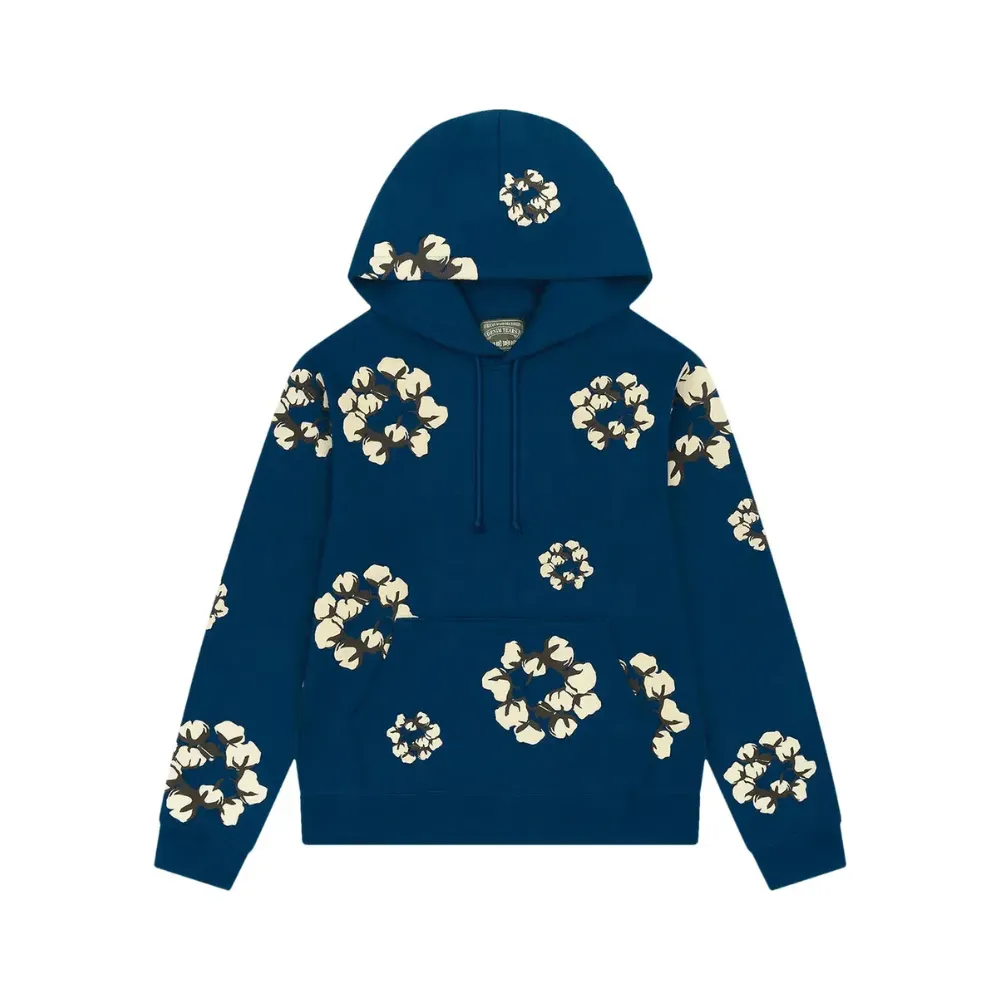
| Hoodies | $160–$180 | $220–$350 | +25% to +100% | Quality construction and seasonal graphics land at the peak of the band. |
| T-Shirts | $60–$75 | $100–$180 | +35% to +140% | Signature design shirts and early-run prints hold stronger resale. |
| Crewnecks | $140–$160 | $200–$320 | +25% to +100% | Embroidered pieces exceed screen-printed in nearly all measurements. |
| Varsity Outerwear | $450–$650 | $700–$1,200 | +20% to +150% | Construction variety and detail intricacy drive variance. |
| Converse Chuck 70 (collab) | $110–$120 | $150–$300 | +25% to +150% | Replenishment may narrow gaps for a period. |
| Caps | $60–$70 | $90–$150 | +20% to +100% | Older colorways and branded details trade elevated. |
What’s the Secondary Costs Break Down in 2025?
In 2025, denim is the liquidity leader with the strongest premiums, while tees and caps are the easiest starting options. Pullover and sweater ranges are meaningful but more stable than denim.
On major platforms, denim regularly surpass the high end of the bracket when the finish and pattern tone align with early capsule releases, and if the size falls in the heart of the demand curve. Tops and caps swing moderately as supply is broader and purchasers have more substitutes throughout periods. Outerwear like team jackets is sparsely sold, so a one transaction may adjust floors for a period, which appears extreme but frequently stabilizes as fresh listings arrive. Condition counts: fresh with documentation or with verification of buying creates a premium, while marked wear or missing embroidery aspects lower value quickly. Timing matters additionally, with the opening 48 hours following release displaying the sharpest spikes and the first credible restock shaving 10–30% from highs.
What Are the True Expenses Past the Tagged Amount?
The real cost on resale is the listing price plus marketplace costs, processing fees, sales tax or duties, delivery, and, for overseas, import taxes and handling. Those additions may transform a appropriate amount into an overpay fast.
In the America, plan for purchase levy between roughly 6–10% varying on location, commonly computed from goods value and occasionally delivery. Marketplaces generally pass 3% transaction charges and include a purchaser support cost; even if the merchant handles costs, the buyer may yet encounter processing or safety costs. Shipping ranges from approximately $10 to $30 for garments, while global transport may activate VAT in the 17–25% band computed from the price of goods plus delivery, and a shipping management cost. Case: a $650 pair of branded Cotton jeans purchased on a American site with 8.9% purchase duty, a 3% transaction fee, and $15 shipping lands around $742 prior to any customs fees; shift that equivalent transaction overseas to a 20% duty system and the ultimate cost may reach to roughly $880 after duties and handling are added. When comparing retail to resale, consistently calculate a total amount, not just the sticker.
How Do Releases, Partnerships, and Washes Change the Market?
Drop cadence, co-brand allies, and certain washes are the main factors on label costs. Levi’s collections and first Cotton Wreath shade runs anchor the most reliable premiums.
Levi’s co-branded pants featuring signature stitching has ongoing interest as it’s the brand’s signature narrative item; washes that mirror early drops typically to fetch higher prices. Chuck Taylor collabs draw wider shoe markets, generating short-term demand spikes that could reduce after restocks. Seasonal colors and unique stitching placements create niche segments; a minor stitch or wash difference may warrant a substantial premium for collectors trying to build archives. Territorial launch windows also count—when one region sells out before different regions, resale listings fill the gap and shift minimums. Restocks don’t remove interest, but they certainly reset ceilings, notably with shoes and tees.
Retail vs Secondary: A Practical Buying Framework
Purchase at direct whenever possible for jeans and team jackets as the total financial difference is greatest; evaluate secondary for tops and caps when the increase is under 40% and buyers want a specific colorway. Use a objective bracket, not a individual amount.
Begin by examining the store range from this manual for the category and collection, then review latest sales on multiple sites to locate a true clearing range rather than advertised amounts. Determine total expense including tax, fees, and delivery; if the markup above the upper limit of store pricing is beneath 30–40% and buyers secure the precise size and shade, secondary may be reasonable. For denim and jackets, markups above 100% are normal; only invest that if it’s the essential piece that infrequently emerges and quality is perfect. With items with consistent refresh, such as specific shirts or Converse, patience typically rewards. Always check measurements, tags, stitching standards, and refund policies before you transact.
When’s the Optimal Period Opportunity to Spend Less?
The optimal cost periods typically to be 48–72 hours after a launch and 7–10 days after a confirmed replenishment, as stock peaks and early FOMO subsides. Business day mornings within the merchant’s home zone may additionally be gentler for auctions.
Instantly following release, posts pour in, undercutting begins, and buyers might sometimes catch close-to-store deals if one’s fast and not obsessed on one size. After the first wave is consumed, minimums commonly elevate and hold steady before a restock hits the calendar. After restocks, re-listers reset expectations, and you can negotiate with comps in grasp. Monthly closing phases, as sellers want liquidity, are good for proposals that are 10–15% below the recent transaction, notably with non-pants types. If a variant is suspected to be a single release, rate reduction will be temporary, so move within such opening stock timeframes.
Insider Strategy: Timing and Verification to Protect Your Spend
Target the 24–72 hour period following a launch or refresh and establish an authentication checklist so you can move decisively if a appropriate deal appears. Velocity lacking a process is how purchasers overspend or overlook warning flags.
For branded Cotton pants, review the collaborative Levi’s patch and interior branding, verify design embroidery density and location, and assess the stitch quality surrounding compartments and edges. Request for sharp images of the washing label, inside pocket prints, and bottom sewing; uneven lettering or thread colors are typical signs. Match the wash and pattern tone with legitimate promotional visuals or trusted retailer product shots. For sneakers, validate insole branding, center graphics, and the packaging tag design connected to the launch period. Keep screenshots of genuine items to compare side-by-side prior to complete purchase.
Quick Facts You Possibly Didn’t Know
One, Denim Tears launched in 2019 and the Cotton Wreath pattern directly acknowledges the Black experience and the legacy of cotton in America, which is the reason the denim operates as narrative pieces as well as clothing. Second, the first Levi’s capsule in 2020 depleted stock nearly instantly and established the signature jeans as a enduring commercial standard that still sets references for newer runs. Additionally, Converse Chuck 70 collabs have replenished during specific periods, temporarily reducing secondary by substantial amounts before stabilizing as pairs disperse. Fourth, center-range fit brackets like 30–34 generally fetch the fastest sales, but limited fits at the edges may exceed them when listings are limited. Finally, Continental and British store costs incorporate duties, so although the price seems elevated above the America, the end buyer cost gap shrinks once US buyers append transaction tax and shipping.
Where Should You Look for the Best Comps?
Trustworthy comparisons originate from fresh, validated sales across at least two marketplaces, not from optimistic list prices. Focus on transaction history during the recent 30 days for your exact measurement and condition.
Sites that display sale data enable buyers differentiate hopeful requests from actual clearing prices. Private transactions and social listings might be less expensive, but they’re more difficult to confirm, so weigh savings compared to hazards and absence of purchaser safety. For types featuring thin volume, extend your timeframe to 60–90 days and adjust for any refresh incident in such duration. Keep a comp log with period, fit, state, and cost so one may recognize authentic movements rather than acting on isolated deals. As you negotiate, cite three latest sales and the total price calculation to set an foundation based in reality.
Final Take: Spending the Correct Amount in 2025
Know your category’s retail band, calculate landed cost, and pick window frames that advantage purchasers. Jeans and varsity pieces warrant the search for retail; tees, caps, and certain sneakers can be sensible on secondary within a fair surcharge.
Volatility is a trait, not a defect, in the brand’s space, and it benefits ready buyers who follow statistics and operate during supply peaks. Collabs and early color releases will maintain requiring premiums, while restocks will maintain modify tops on easier pieces. Handle every acquisition similar to an capital allocation: confirm legitimacy, assess quality against price, and refuse to pay for excitement you don’t really intend to wear. With such practices, you’ll acquire the pieces you desire without funding excessive markups.
Leave a Reply